




A version of this article appeared in our The Decentralised newsletter on March 18. Sign up here.
GM, Tim here.
DeFi is at a dead end.
There’s only a finite number of degens willing to take on the risks of trading onchain and grappling with clunky wallet interfaces, something the ecosystem’s stalling growth attests to.
In response, Coinbase has forged a deal with DeFi lender Morpho to let its customers access Bitcoin loans without having to so much as touch a non-custodial wallet.
Aave, the biggest DeFi lending protocol with $28 billion of deposits, is looking not to retail investors but to financial institutions to boost its growth.
On Thursday, founder Stani Kulechov announced Horizon, a new initiative designed to get more institutions using Aave.
Introducing Project Horizon—our new initiative at Aave Labs focused on building institutional DeFi products. pic.twitter.com/97BAAyvwZ0
— Stani.eth (@StaniKulechov) March 13, 2025
Through Horizon, Aave will adapt its existing products for institutional use cases — and for use with tokenised versions of real-world assets, like US Treasury bonds or stocks — Kulechov said in an X post.
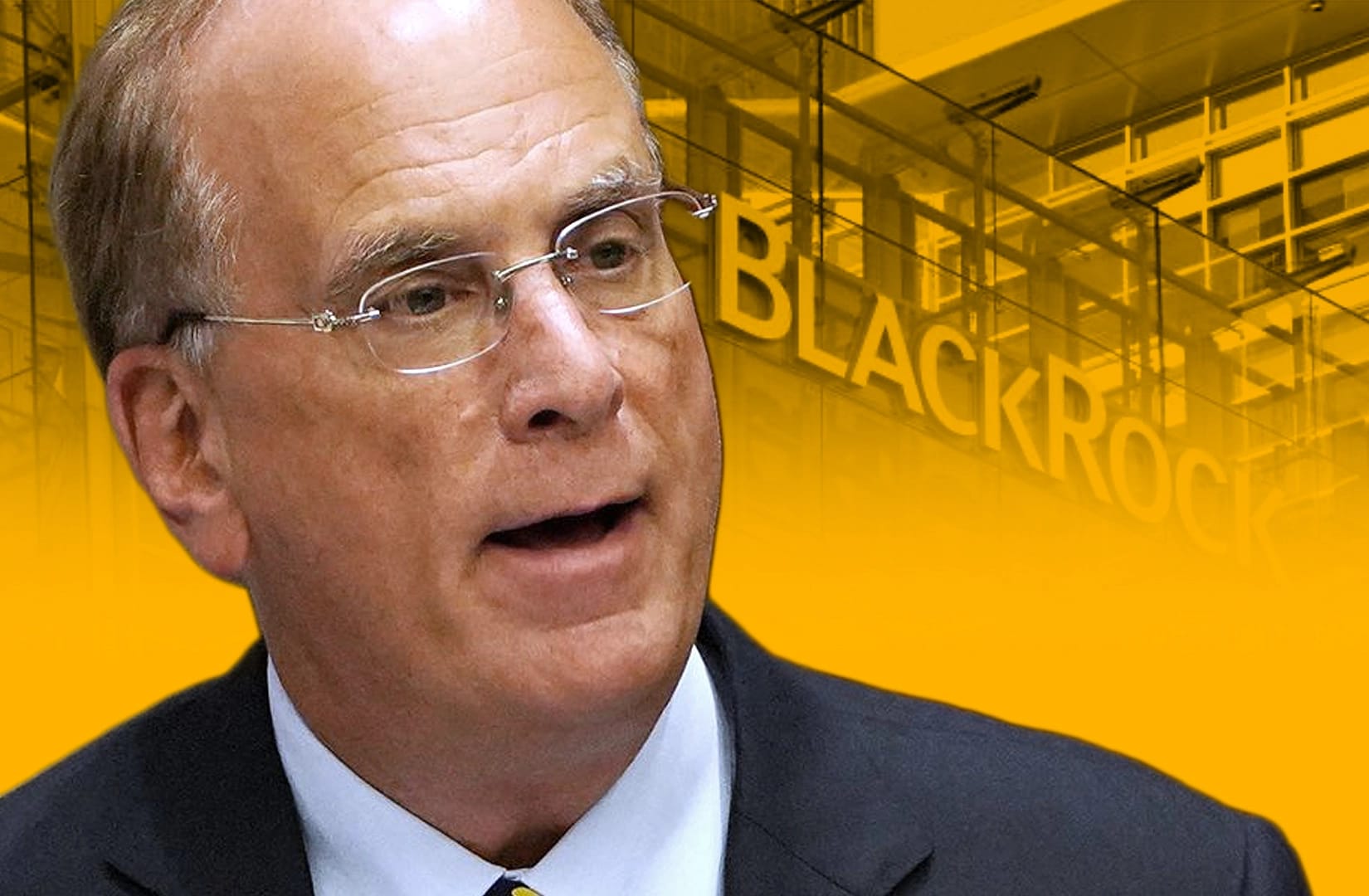
Real-world assets in DeFi are booming. The sector hit an all-time high of almost $19 billion in March as asset manager BlackRock’s tokenised treasury fund blew past $1 billion in deposits.
It’s not the first time Aave has attempted to court institutions, though.
In 2022, Aave launched Aave Arc, a version of the lending protocol designed to meet the needs of institutional players like fintech firms, hedge funds, and family offices.
A year later, Aave Arc fizzled out after drawing in a meagre $8 million in deposits.
The Horizon initiative may do better.
Compared to 2022, crypto benefits from a much friendlier regulatory environment under the Trump administration.
Additionally, Wall Street firms are more accepting of DeFi than they were three years ago — firms like BlackRock, State Street and Franklin Templeton are diving into the sector.
Finally, there’s Aave’s proven track record. Back in 2022, DeFi protocols were suffering code exploits on a fairly regular basis. Aave rival Euler suffered a catastrophic $197 million hack in 2023.
Aave’s code has been live for years now with no major vulnerabilities detected, something that should instil confidence in any DeFi-curious institutions.
As the biggest DeFi protocol not just on Ethereum, but in the entire DeFi ecosystem, whether or not Aave can successfully bring in institutional capital could be a bellwether for other protocols trying a similar tack.
Top DeFi stories of the week



This week in DeFi governance
VOTE: Aave DAO weighs in on the protocol’s economics update
VOTE: Uniswap DAO votes on $250,000 worth of liquidity incentives
VOTE: Arbitrum DAO votes to adopt new transaction ordering policy
Post of the week
Boldleonidas pokes fun at traders attempting to liquidate a whale who’s short $400 million Bitcoin on trading platform Hyperliquid.
— Bold (@boldleonidas) March 17, 2025
Got a tip about DeFi? Reach out at tim@dlnews.com.